How to Create Healthy Urgency, Before Life Creates Last-Minute Urgency

Let me ask you something. How many times have you known something was important, but still waited until the pressure got loud enough to complete it? Acknowledge it? Or give it your attention?
The bill.
The doctor visit.
The tough conversation.
The paper.
The business idea.
The workout plan.
The room.
The relationship.
The decision you already knew was coming.
A lot of adults don't move when something is important. They move when it becomes urgent.
And that’s the trap! Because if you don't learn how to create healthy urgency, life will eventually create last-minute urgency for you. One gives you direction.The other gives you stress.
The Difference Between Healthy Urgency and
Last-Minute Urgency

Healthy urgency says:
this matters, so let me act early
let me reduce pressure before it piles up
let me build momentum while I still have options
let me make decisions while my mind is clear
Last-minute urgency says:
now I have no choice
now the consequences are here
now I have to rush
now I am reacting instead of leading
This is just like packing for a trip the night before your flight versus packing a little each day the week before. In both cases, you still travel. But one version keeps your peace, and the other hijacks your nervous system.
Why Last-Minute Urgency Feels So Powerful
There’s a reason people suddenly become productive right before a deadline.
As deadlines get closer, motivation often rises. That basic idea shows up in Temporal Motivation Theory, which says that the motivating power of a task increases as the deadline approaches.
That means deadline pressure can wake people up, but it can also narrow their thinking, spike stress, and make them reactive instead of strategic. For simple tasks, pressure can help. For creative, complex, emotional, or high-stakes tasks, too much pressure usually costs more than it gives. So yes, urgency works. But there is a difference between using urgency as a tool and becoming dependent on a “crisis” to function.
A Lot of Adults Only Trust Themselves in Chaos
This is deeper than productivity. Some people have accidentally trained themselves to believe:
“I work best under pressure.”
“I need the deadline to lock in.”
“I need the fear to wake me up.”
“I need the crisis to make it real.”
Sometimes that’s not discipline. Sometimes that’s a nervous system that has learned to wait for threat before taking action. That’s dangerous, because life eventually makes some things urgent whether you planned well or not:
health
money
family
school
career decisions
burnout
unresolved tension
ignored maintenance
emotional breakdowns
If you don't create small, intentional pressure early, life often creates massive pressure later. Whether you like it or not…
What Does The Research Say?
Research on procrastination keeps pointing in the same direction: waiting until the last minute raises stress and tends to hurt learning, well-being, and performance.
A 2023 study also found that incentives to finish assignments earlier shifted student behavior meaningfully, with 45% of assignments completed early and 30% up to four days before the deadline. Cornell University That's super important because the goal isn’t just “get it done.” The goal is to reduce the chaos tax.
And missing deadlines costs more than people think. A 2024 study reported in The Guardian found that when work is submitted late, people judge both the work and the person more harshly, often reading lateness as poor planning or low reliability. The Guardian
So last-minute urgency doesn’t just create pressure. It can also quietly damage trust, reputation, and self-respect.
What Does Healthy Urgency Look Like?
Healthy urgency is not panic. It’s intentional pressure and It looks like:
setting a mini-deadline before the real deadline
having a conversation before resentment kicks in
scheduling the appointment before symptoms get louder
doing the repair before failure becomes visible
organizing the room before your mind starts drowning in open loops
making the decision while you still have room to think
Healthy urgency is leadership. You aren’t pretending something is on fire. You are just respecting that it matters enough to move now.
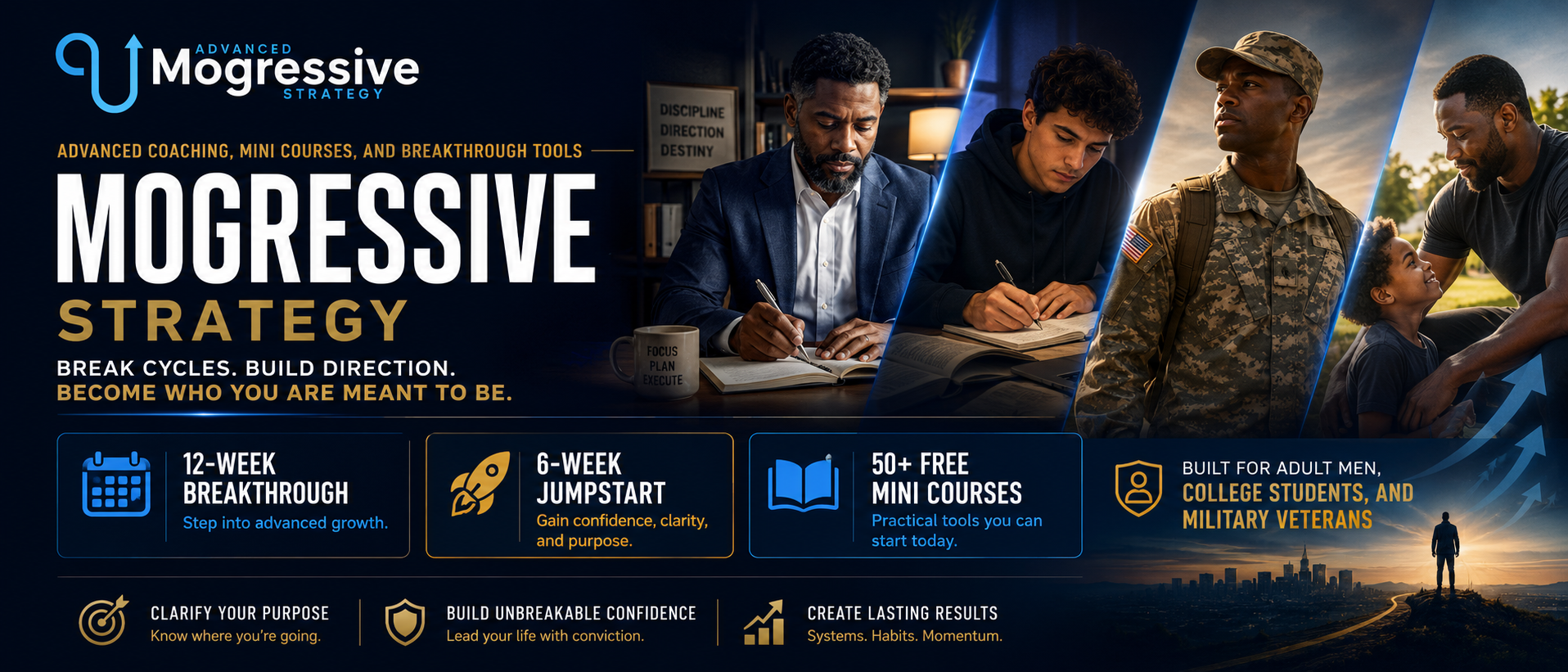
For My Three Mogressive Clients
For College Students:
don't wait until the night before to finally care. Yes, some urgency can help you lock in. But if you only start when panic kicks in, you are letting stress become your study strategy. The research on early feedback and earlier starts shows that beginning sooner can improve grades, mental health, and learning quality. Cornell University
Healthy urgency in college looks like:
making your own earlier due date
asking for feedback before submission week
breaking the assignment down before dread takes over
using the first hour of clarity, not the final hour of panic
For Veterans
A lot of veterans know how to perform under real pressure. The danger is that some men become so used to high-stakes urgency that calm, steady progress feels too slow or too quiet. Then they delay things until pressure feels familiar again. Healthy urgency means learning how to move before the emergency.
That’s not weakness. That’s maturity.
For Everyday Adults
Adults do this with everything.
The body.
The money.
The marriage.
The paperwork.
The house.
The future.
You know for a fact there is something that matters, but because there is no immediate fire, it stays parked. Then one day the fire shows up, and now the thing that could have been handled with structure has to be handled with stress. That’s why healthy urgency matters. It protects your peace before panic gets involved.
How to Create Healthy Urgency
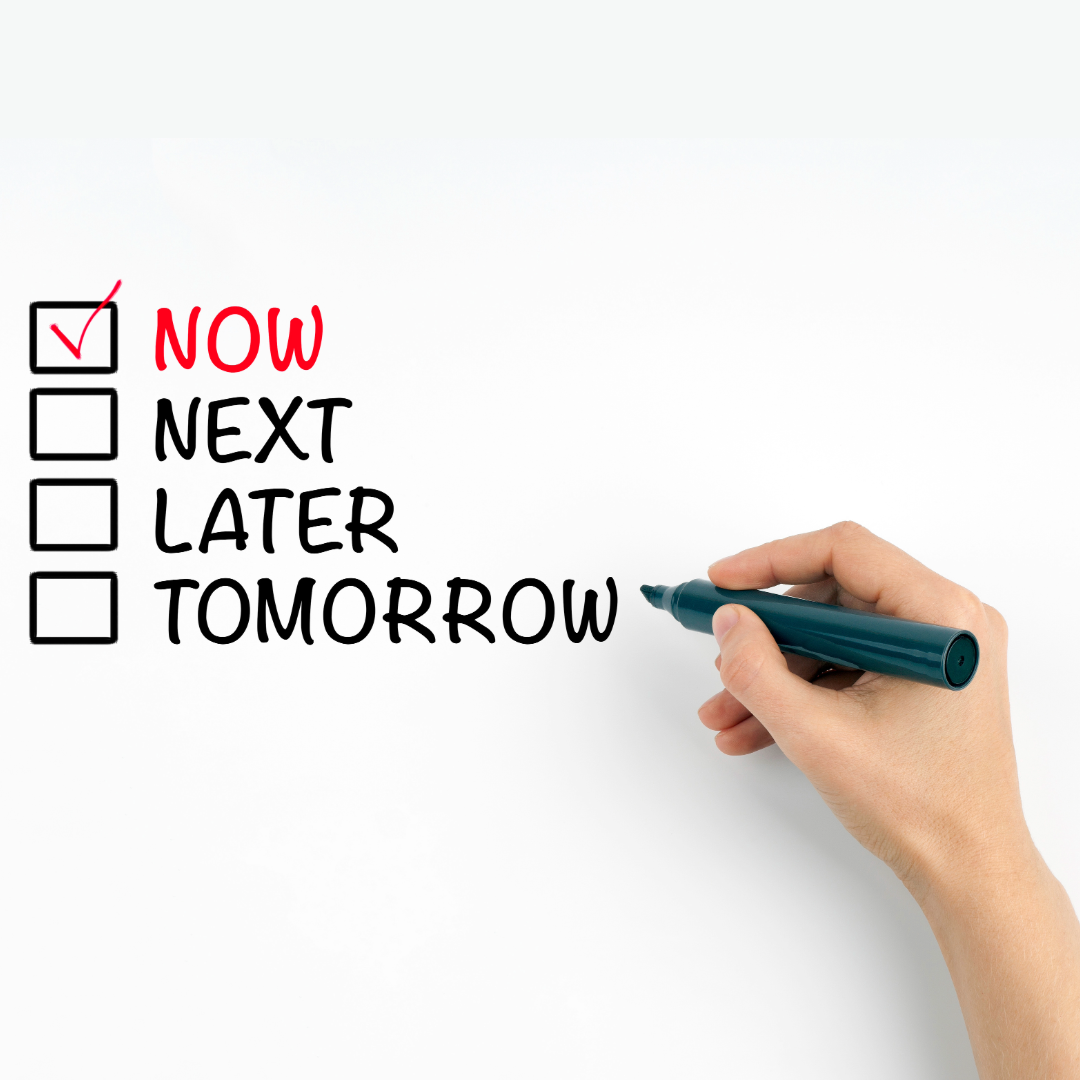
Here is the Mogressive way to do it.
1. Give Important Things a Clock Before They Break
don't wait for the world to assign the pressure. Create your own timeline.
If the real deadline is Friday, make yours Tuesday.
If the conversation needs to happen this month, put it on the calendar this week.
If the bill needs attention “soon,” define soon.
Vague importance creates delay. Defined importance creates movement.
2. Use Mini-Deadlines
Mini-deadlines work because they create movement without waiting for full crisis mode. This is just like doing warm-up sets before the heavy lift. You aren’t avoiding the real work. You are making sure your system is ready to handle it well.
3. Shrink the First Move
A lot of adults delay because the first move feels too big. So make it smaller:
schedule the appointment
outline the paper
clear one section
write the first paragraph
make the first call
ask the first question
Small movement lowers resistance.
4. Add Feedback Early
The 2025 and 2023 student studies suggest that starting earlier becomes much more useful when it includes feedback. Cornell University
That applies to life too, don't just start early–Get information early.
Ask:
who can review this
what am I missing
where is the blind spot
what is the next right adjustment
5. Build an “Urgency Ritual”
When something is important in your life, don't think about it for six days and then scramble on day seven. Create a ritual:
identify the task
define the consequence
choose the mini-deadline
block the first work session
remove one distraction
begin before your feelings vote on it
That’s how you turn urgency into a system instead of a mood.
Coach Mo’s Reflection Questions
What in my life matters enough to move on now, even if it is not screaming yet?
Where have I been waiting for panic to give me permission to act?
What would be easier, cleaner, or calmer if I created urgency before life forced it?
What is one thing I can start this week before it becomes a fire?
Last-minute urgency will always feel dramatic. It can make you feel alive: Focused, Necessary, and Locked in. But healthy urgency is better. Because it lets you act with:
clarity
choice
dignity
preparation
peace
You don't need life to corner you before you move. You can decide that something matters before it starts hurting. You can build momentum before the consequences show up. You can create the kind of urgency that protects your future instead of punishing your delay. So don't wait for the fire. Learn how to move while the room is still quiet.

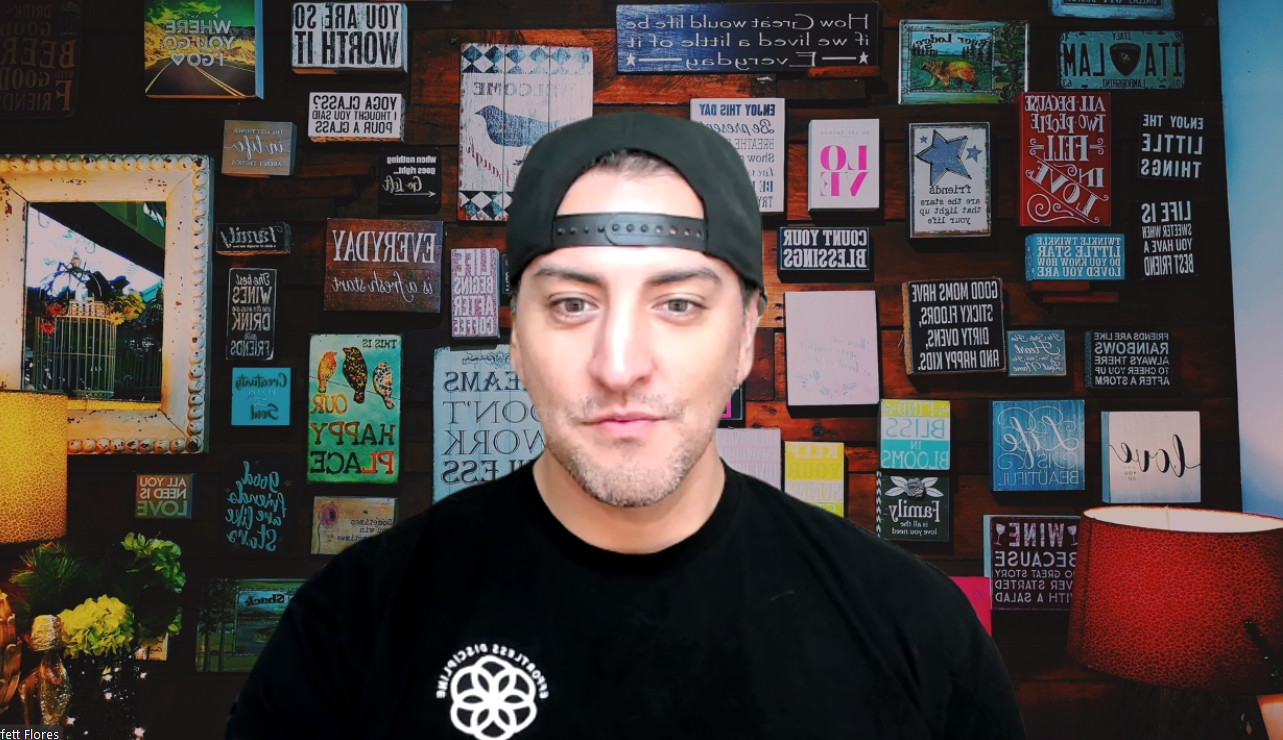

A lot of adults do not act when something matters. They act when the consequences get loud. This blog breaks down how to create healthy urgency early, so you can move with clarity, structure, and peace before life forces panic.